Allegroost: The Handwritten Font That Adds Bold Personality to Your Designs
If you've ever struggled to find a font that feels both expressive and intentional—something that stands out without sacrificing readability—you're not alone. Many designers, marketers, and small business owners face the same challenge: how to communicate authenticity and energy in visual content, especially when working with limited resources or tight deadlines. That’s where Allegroost steps in—not as just another decorative typeface, but as a purpose-built handwritten font designed for impact.
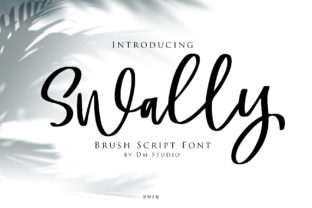
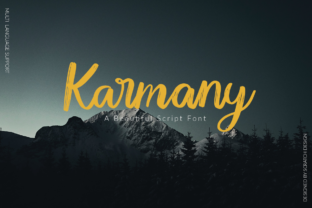
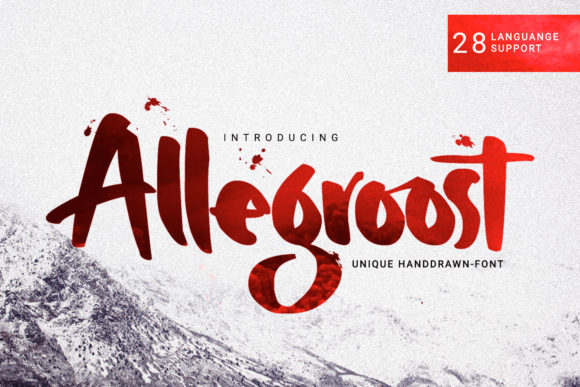
Allegroost is a bold, brush-script font characterized by its large, confident strokes and dynamic contrast. Unlike generic script fonts that lean too casual or overly ornate, Allegroost balances raw texture with clear letterforms—making it highly legible at larger sizes while retaining unmistakable personality. Its edgy, one-of-a-kind look feel comes from natural stroke variation, subtle ink bleed effects, and deliberate irregularities that mimic real brushwork—not digital perfection.
Why Designers and Brands Reach for Allegroost
Today’s audiences respond strongly to human-centered visuals. Automated, sterile, or over-polished design often fades into the background. In contrast, thoughtful handwritten typography like Allegroost signals intentionality, warmth, and individuality—qualities that resonate deeply with customers seeking connection.
Common situations where users turn to Allegroost include:
- Creating standout social media graphics—especially Instagram carousels, Reels thumbnails, or Pinterest pins where visual hierarchy matters;
- Designing event branding (weddings, festivals, pop-ups) that needs to feel personal yet polished;
- Developing product packaging for artisanal goods, wellness brands, or indie fashion labels aiming to differentiate on crowded shelves;
- Building email headers or landing page banners that must capture attention in under two seconds;
- Adding expressive emphasis to quotes, testimonials, or callouts in presentations or pitch decks.
In each case, the goal isn’t decoration—it’s strategic communication. Allegroost helps achieve that by guiding the eye, reinforcing tone, and supporting brand voice without needing extra illustrations or complex layouts.
How Allegroost Solves Real Design Challenges
Let’s be practical: many handwritten fonts fail in production. Some lack full character sets (missing punctuation, numerals, or accented letters), others don’t scale well, and a surprising number render poorly on web platforms. Allegroost was built with usability in mind. It includes comprehensive Latin character support, OpenType features like ligatures and stylistic alternates, and clean vector outlines that hold up across print, web, and mobile.
For example, if you’re designing a boutique coffee shop’s seasonal menu, Allegroost works beautifully for drink names (“Honey Lavender Latte”) while pairing cleanly with a neutral sans-serif (like Inter or Montserrat) for descriptions and pricing. The contrast creates rhythm—and tells a story about craft and care.
Or imagine launching a mindfulness app. Instead of defaulting to soft, rounded fonts that blend in, using Allegroost for your hero headline (“Breathe In. Begin Again.”) adds grounded, human energy—reinforcing your message before users even read the first sentence.
Practical Tips for Getting the Most From Allegroost
To ensure your use of Allegroost delivers results—not frustration—keep these recommendations in mind:
- Use it sparingly and intentionally. Reserve Allegroost for headlines, logos, or short phrases. Let it breathe. Overuse dilutes its impact and harms readability.
- Pair it wisely. Contrast is key. Pair with clean, highly legible sans-serifs or structured serifs—not other scripts or overly decorative fonts. Avoid competing textures.
- Test legibility at intended size. While Allegroost shines at 36pt and above, test smaller applications (e.g., buttons or captions) carefully. If clarity suffers, switch to a supporting typeface.
- Respect platform limitations. When embedding Allegroost on websites, use modern font-loading strategies (like
font-display: swap) and provide fallbacks. For Canva or Figma users, install the desktop version first for best rendering control. - Consider licensing early. Allegroost is typically offered with clear commercial licenses—including options for web, app, and unlimited projects. Review usage terms before scaling across campaigns.
Different Users, Different Approaches
How you apply Allegroost depends heavily on your role and resources:
- Freelance designers often use Allegroost as a signature element in client proposals or portfolio pieces—demonstrating both aesthetic judgment and technical fluency. They appreciate its versatility across branding, social assets, and presentation decks.
- Small business owners (especially those handling their own marketing) value how quickly Allegroost elevates DIY graphics. With tools like Canva or Adobe Express, they can apply it to flyers, Instagram Stories, or Etsy banners in minutes—no designer needed.
- Marketing teams rely on Allegroost to maintain visual consistency across high-impact touchpoints: webinar slides, limited-edition campaign assets, or influencer collaboration kits—where standing out in feeds is non-negotiable.
- Educators and creators use Allegroost to add warmth and approachability to online course materials, workshop handouts, or newsletter headers—helping learners feel invited, not instructed.
The common thread? Everyone benefits from a font that does more than look good—it supports goals, saves time, and strengthens messaging.
Final Thoughts: Typography as a Tool, Not Just Decoration
Choosing a font like Allegroost isn’t about chasing trends. It’s about selecting a tool that aligns with your intent—whether that’s building trust, sparking curiosity, or honoring craftsmanship. Its large brush strokes aren’t just stylistic; they’re functional—designed to command space, convey confidence, and invite engagement.
What makes Allegroost especially valuable today is how effortlessly it bridges emotion and utility. You don’t need advanced typography training to use it well. You just need a clear objective—and the willingness to let expressive, human-centered design do some of the work for you.
If you’ve been searching for a handwritten font that feels authentic but never amateurish, distinctive but still professional, Allegroost is worth trying—not as an afterthought, but as a deliberate part of your visual strategy.