Anteiku: A Textured Brush Font for Unique Design Expression
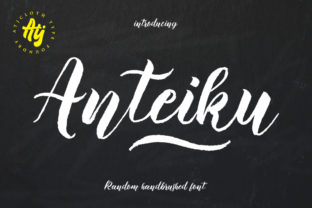
Anteiku is more than just a font—it’s a design statement. With its striking textured brush style and irregular baseline, Anteiku brings a natural, handcrafted feel to any project. Whether you're a designer, content creator, or business owner looking to stand out in a crowded digital space, Anteiku offers a fresh way to communicate your message with visual personality.
What Makes Anteiku Stand Out?
At first glance, Anteiku might seem like any other brush font, but it has distinct characteristics that set it apart. The irregular baseline gives each letter a unique shape, mimicking the organic flow of handwriting. This subtle variation adds character and depth, making text feel more alive and engaging.
The texture of Anteiku is another standout feature. It's not a simple flat font; instead, it carries a tactile quality that makes it ideal for creative projects. The brush strokes are visible and intentional, giving it a hand-drawn aesthetic that feels personal and authentic.
One of the most appealing aspects of Anteiku is its versatility. While it may appear best suited for artistic or decorative use, it can also work well in more functional contexts when used appropriately. Its irregularity means it’s not always the best choice for long-form text, but it shines in headlines, logos, and short phrases where impact matters more than readability.
When to Use Anteiku
- Branding and Logo Design: Anteiku can be an excellent choice for brand logos, especially for creative industries such as fashion, art, or music.
- Marketing Materials: Use it in posters, flyers, or social media graphics to catch attention quickly.
- Website Headlines: Apply it to main headings or call-to-action buttons to make them pop.
- Artistic Projects: Whether it's a poster, a book cover, or a digital artwork, Anteiku adds a unique flair.
It’s important to consider the context in which you’ll be using Anteiku. For example, while it works well for headlines and short texts, it may not be the best option for body copy due to its less uniform structure. However, when used thoughtfully, it can elevate the overall look and feel of a design.
Who Benefits from Using Anteiku?
Anteiku is particularly beneficial for individuals and businesses that value creativity and individuality. Here are some groups that may find it especially useful:
- Designers and Artists: Looking to add a handmade touch to their work.
- Content Creators: Seeking to differentiate their content visually on platforms like Instagram or TikTok.
- Small Business Owners: Wanting to create a memorable brand identity without breaking the bank.
- Freelancers: Who need versatile fonts for various client projects.
Its unique style also appeals to those who want to avoid the monotony of standard sans-serif or serif fonts. If you're aiming to create something that stands out, Anteiku can help you achieve that goal.
Real-World Applications
Imagine a boutique clothing store launching a new line. They could use Anteiku for their website header, adding a sense of craftsmanship and exclusivity. Or think of a local artist showcasing their work online—Anteiku could serve as the signature font for their portfolio, reinforcing their artistic identity.
In the world of digital marketing, Anteiku could be used in promotional banners or email subject lines to grab attention. Even in print, such as in brochures or magazines, it can add a distinctive visual element that sets the content apart.
Strengths and Considerations
Anteiku has several strengths that make it a valuable addition to any designer's toolkit:
- Unique Aesthetic: Offers a one-of-a-kind look that can elevate any design.
- High Visual Impact: Stands out in both digital and print formats.
- Easy to Customize: Can be paired with other fonts for a balanced design.
However, there are also some considerations to keep in mind:
- Readability Limitations: Not ideal for long paragraphs or dense text.
- Font Pairing: May require careful pairing with complementary fonts for optimal results.
- Technical Requirements: Ensure the font is properly embedded or licensed for web and print use.
Understanding these factors will help you decide whether Anteiku is the right choice for your specific project.
Evaluating Suitability for Your Needs
Before choosing Anteiku, ask yourself a few key questions:
- What is the purpose of the text? Is it meant to be read extensively or simply to catch attention?
- Who is the audience? Will they appreciate the artistic style, or do they prefer a more traditional look?
- What is the overall design style? Does Anteiku align with the visual tone you're aiming for?
If you're unsure, start by testing Anteiku in small sections of your design. Observe how it looks in different contexts and adjust accordingly. Experimentation is key to finding the best fit for your project.
Conclusion
Anteiku is more than a font—it's a tool for creative expression. With its textured brush style and irregular baseline, it brings a natural, handcrafted feel to any design. Whether you're a designer, content creator, or business owner, Anteiku can help you stand out in a world full of similar visuals.
By understanding its strengths, limitations, and appropriate use cases, you can make informed decisions about when and how to incorporate it into your work. Remember, the goal is not to use every font for everything, but to choose the right one for the right moment.